
Signs and Symptoms of ITP

Immune thrombocytopenia (ITP) affects how your blood clots, so most of its symptoms involve bruising and bleeding. Many people with ITP have no symptoms at all, and some find out only after a routine blood test. Here is what to watch for, and why it happens.1,2
Signs you may see on your skin
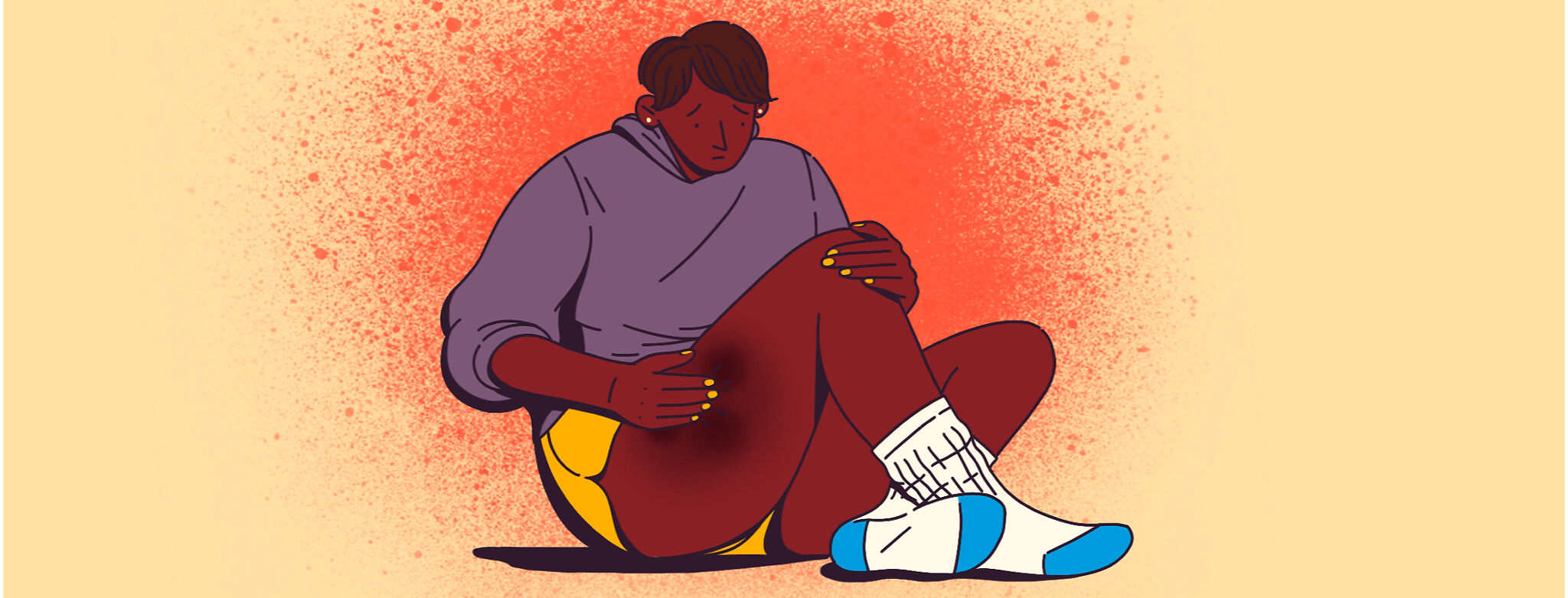
Skin changes are often the first thing people notice. These changes can include:1,2
- Petechiae – Small, flat red spots under the skin, caused by blood leaking out of tiny blood vessels. They often show up on the lower legs and can look like a rash.
- Purpura – Bleeding under the skin that causes red, purple, or brownish-yellow patches. These form when petechiae run together.
- Bruises you cannot explain – Bruising from bumps you do not remember, or from very minor knocks.
- Hematomas – Larger collections of blood that pool under the skin.
Bleeding you may notice
Low platelets can also cause bleeding you can see, such as:1

- Nosebleeds – Bleeding that may take longer than usual to stop.
- Bleeding gums – Often noticed when brushing your teeth or at the dentist.
- Blood in your urine or stool – A sign to report to your doctor.
- Heavy menstrual periods – Bleeding heavier than what is normal for you.
Why these symptoms happen
Platelets are small cells that bind together when they recognize a damaged blood vessel, forming a clot that stops bleeding. A normal platelet count is 150,000 to 450,000 per microliter of blood.4
In ITP, your immune system makes antibodies that attach to your platelets, and your body destroys those platelets, mostly in the spleen. With fewer platelets available, small leaks in blood vessels are not sealed as quickly, and bleeding lasts longer.3,4
Fatigue is part of the picture
Feeling tired is a common part of living with ITP. Fatigue can also come from a low red blood cell count, which can happen when you lose blood. Fatigue is real, and it is worth telling your care team about, even when your platelet count looks stable.1,2
Symptoms do not always match your numbers
In general, the lower your platelet count, the more symptoms you may have. But this varies a lot from person to person. Some people have very low counts and few symptoms, while others notice bruising sooner. That is why treatment decisions are based on your symptoms and your bleeding risk, not on your platelet count alone.4,5
When symptoms need urgent care
Get medical care right away if you have bleeding that does not stop when you apply pressure. Serious bleeding in the digestive tract or in the brain is possible, though bleeding in the brain is rare.1,3,6
Call your doctor if you notice new bruises or new petechiae, so your team can check your count and adjust your plan.2
How symptoms are managed
If your ITP is mild, you may not need treatment at all. Your provider may simply monitor your platelet count to be sure it does not drop too low. When symptoms call for it, treatment works to raise your platelet count enough to control or prevent bleeding.1
Your doctor may also ask you to avoid drugs that raise bleeding risk, such as aspirin, ibuprofen, and blood thinners like warfarin. Check with your doctor before you take any over-the-counter drug or supplement.2,3
Talking with your doctor
Keeping a simple record of your symptoms helps. Note when bruises or petechiae appear, how long nosebleeds last, and how heavy your menstrual periods are. Bring that record to your appointments. Ask which symptoms mean you should call, and which mean you should go to the emergency room. Treatments and symptoms differ for each person, and your care team can help you sort out what is normal for you.
Join the conversation